Creating a beautiful outdoor space requires more than choosing plants and installing paving. A successful landscaping project starts with careful planning and continues through design, construction, planting, irrigation, and maintenance.
For homeowners and property developers The Complete Landscaping Process
looking for professional landscaping in Dubai, understanding each stage of the process can help ensure better results and avoid costly mistakes.
Every landscaping project begins with understanding the property and the client’s requirements.
The landscape team considers how the space will be used, the preferred design style, budget, maintenance expectations, and any specific features the client wants to include.
For a villa, this could include a garden, swimming pool area, outdoor seating, or children’s play area. Commercial projects may require attractive entrances, walkways, shaded areas, and low-maintenance planting.
Before the design begins, the site should be carefully assessed.
Important factors include:
In Dubai, understanding the local environmental conditions is particularly important when selecting plants, materials, and irrigation solutions.
The information collected during the site assessment is then used to develop the landscape design.
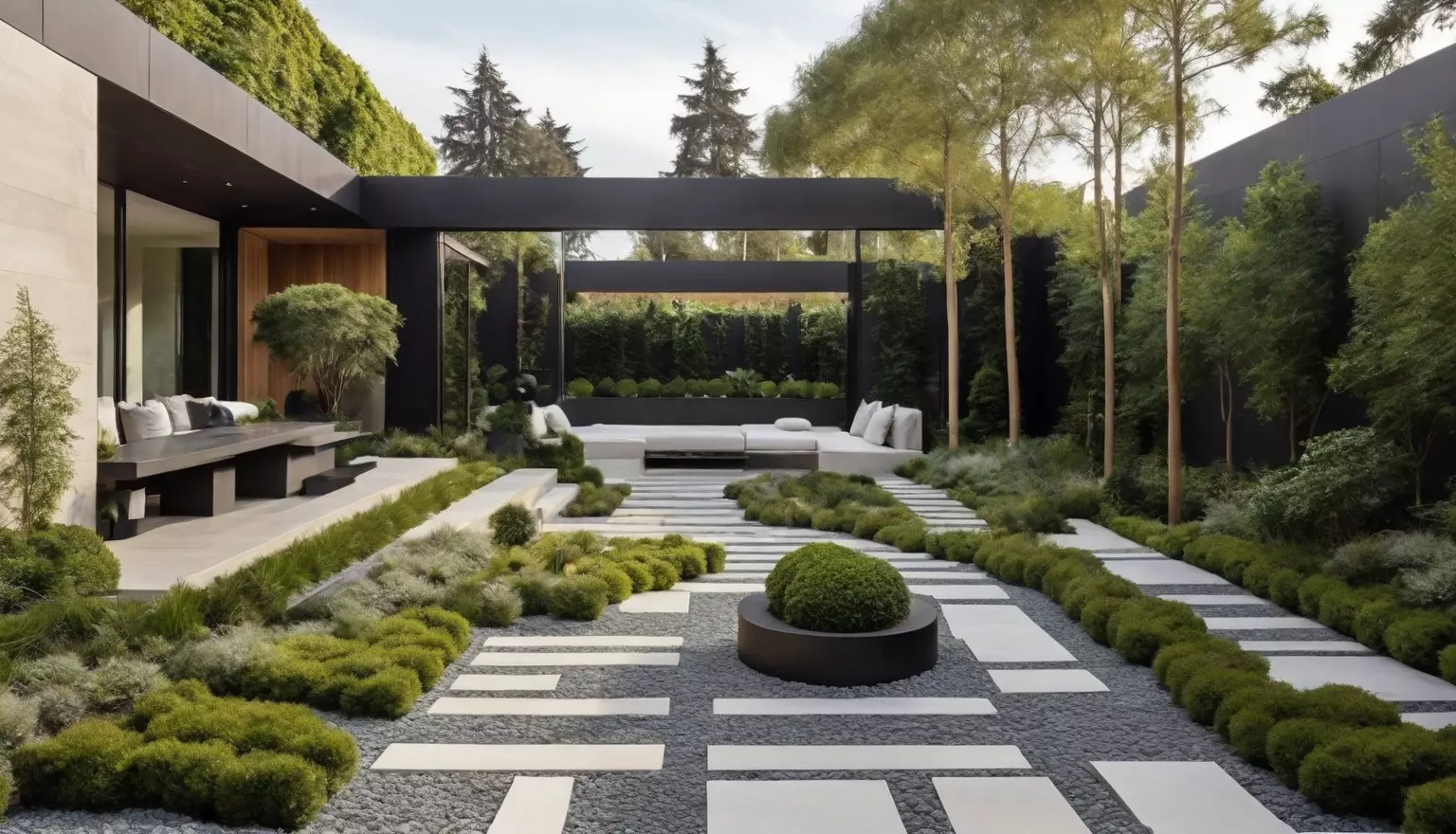
The design can include planting areas, trees, lawns, pathways, paving, outdoor seating, pergolas, lighting, water features, and irrigation.
A good landscape design should balance appearance with functionality. It should also consider how the landscape will look as plants mature and how much maintenance it will require.
The next stage involves selecting suitable plants and materials.
Plants should be chosen according to their climate requirements, growth patterns, appearance, and maintenance needs. Materials such as paving, stone, timber, or other hardscape finishes should be selected for durability and suitability for outdoor conditions.
Choosing the right materials and plants at this stage can have a major impact on the long-term performance of the landscape.
Once the design is approved, the physical work begins.
Depending on the project, construction may include ground preparation, grading, drainage, paving, pathways, retaining structures, irrigation installation, soil preparation, planting, lawn installation, lighting, and other landscape features.
Proper sequencing is important. Irrigation and underground services, for example, should be planned before finished surfaces are installed to avoid unnecessary rework.
Before the project is handed over, the completed landscape should be inspected carefully.
Irrigation systems should be tested and adjusted, planting should be checked, drainage should be reviewed, and hardscape areas should be inspected for quality and finish.
A detailed final inspection helps ensure that the completed landscape matches the approved design and performs as intended.
The project does not end when construction is complete.
Regular landscape maintenance is essential for protecting the investment and keeping the garden healthy. Pruning, fertilization, irrigation inspections, pest control, lawn care, and seasonal maintenance all contribute to the long-term success of the landscape.
A successful landscaping project is the result of several connected stages. Consultation, site assessment, design, material selection, construction, installation, inspection, and maintenance all contribute to the final result.
When each stage is carefully planned and professionally managed, an ordinary outdoor area can become a functional and attractive landscape that adds long-term value to the property.
Professional landscaping is a process, not a single installation.
From the first site visit to ongoing maintenance, every decision affects the final result. Careful planning at the beginning can improve the quality of the finished landscape while reducing future maintenance and unnecessary costs.
Whether it is a private villa, commercial property, residential community, or large development, following a structured landscaping process is the foundation for a successful outdoor space.
© 2026 Seven Seas Group