
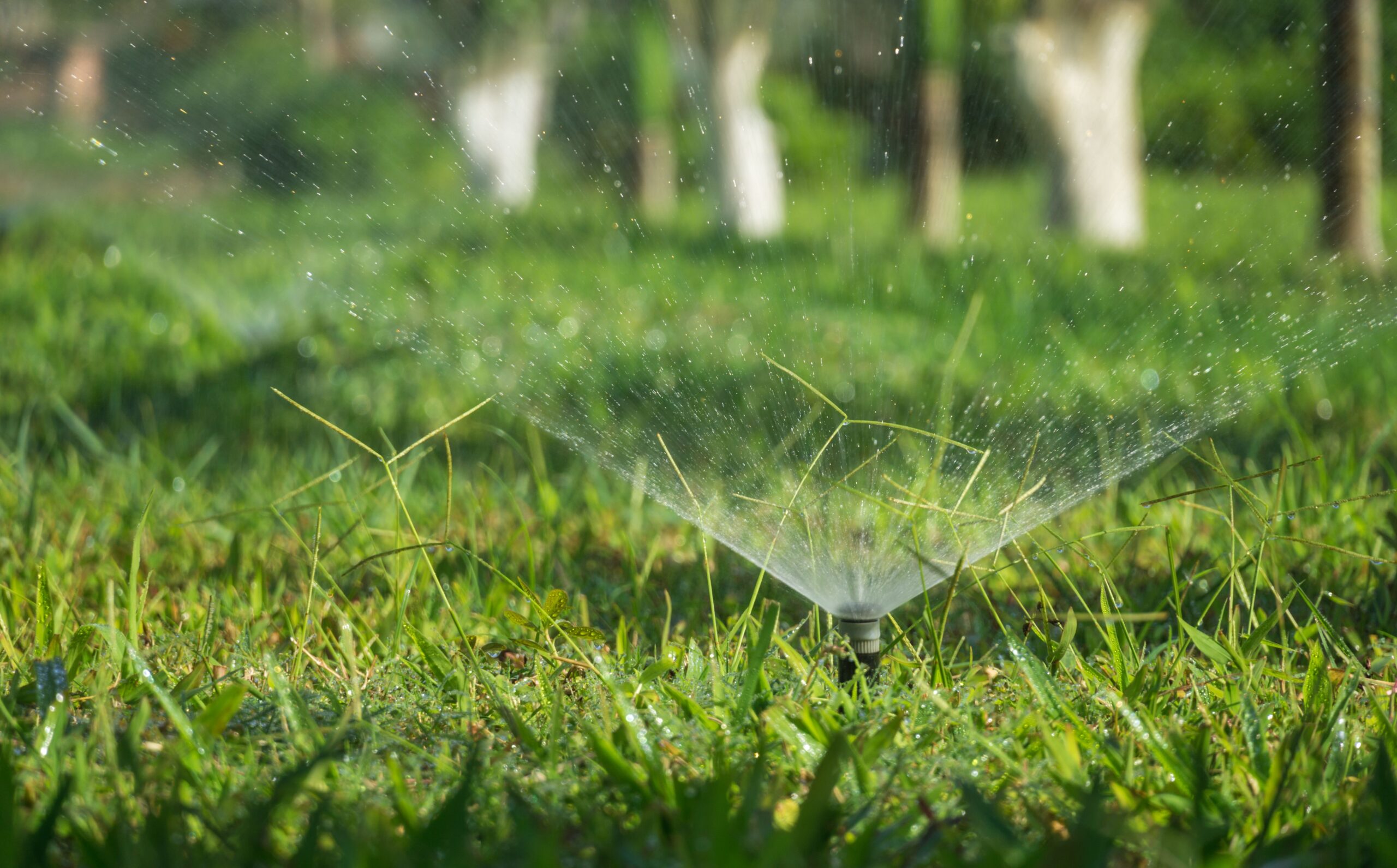
A beautiful landscape depends on healthy plants, but keeping those plants properly watered can be challenging in a hot and dry climate. In the UAE, efficient irrigation is an essential part of modern landscape design.
Smart irrigation systems help deliver the right amount of water to the right areas while reducing unnecessary consumption. When properly designed and maintained, they can support healthy landscapes while improving water efficiency.
Smart irrigation combines automated controls, efficient irrigation equipment, and proper landscape planning to manage watering more effectively.
Instead of treating the entire landscape the same way, irrigation can be divided into different zones based on the needs of lawns, trees, shrubs, and planting beds.
This allows each area to receive an appropriate amount of water.
Poorly designed irrigation can create several problems. Some areas may receive too much water while others remain dry. Leaking pipes, blocked emitters, incorrectly positioned sprinklers, and damaged components can also increase water consumption.
A properly planned irrigation network helps distribute water more evenly and reduces unnecessary waste.
Drip irrigation is commonly used for trees, shrubs, hedges, and planting beds. It delivers water directly to the soil around the plant’s root zone.
This can reduce evaporation and help provide consistent moisture where it is needed.
For larger landscapes, different irrigation zones can be created according to plant type, soil conditions, and exposure to sunlight.
Automatic controllers allow irrigation schedules to be programmed according to the landscape’s requirements.
Watering schedules can be adjusted for different seasons, reducing unnecessary irrigation during cooler periods and providing appropriate watering during periods of high heat.
Modern systems can also incorporate sensors and other monitoring technologies to improve irrigation efficiency.
Installing an efficient irrigation system is only part of the solution. Regular inspections are essential to ensure the system continues operating correctly.
Maintenance should include checking for:
Small irrigation problems can quickly become expensive if they remain unnoticed.
Efficient irrigation works best when combined with appropriate plant selection. Plants with similar water requirements can be grouped into the same irrigation zones, making the system easier to manage.
Choosing climate-appropriate plants and matching them with suitable irrigation methods can improve landscape health while reducing water consumption.
Smart irrigation is not about using less water at the expense of a beautiful landscape. It is about using water more intelligently.
With proper irrigation design, efficient equipment, suitable plant selection, automation, and regular maintenance, landscapes can remain healthy and attractive while using water responsibly.
For modern landscapes, efficient irrigation should be considered an essential part of the design rather than an afterthought.
© 2026 Seven Seas Group