Hardscaping vs Softscaping
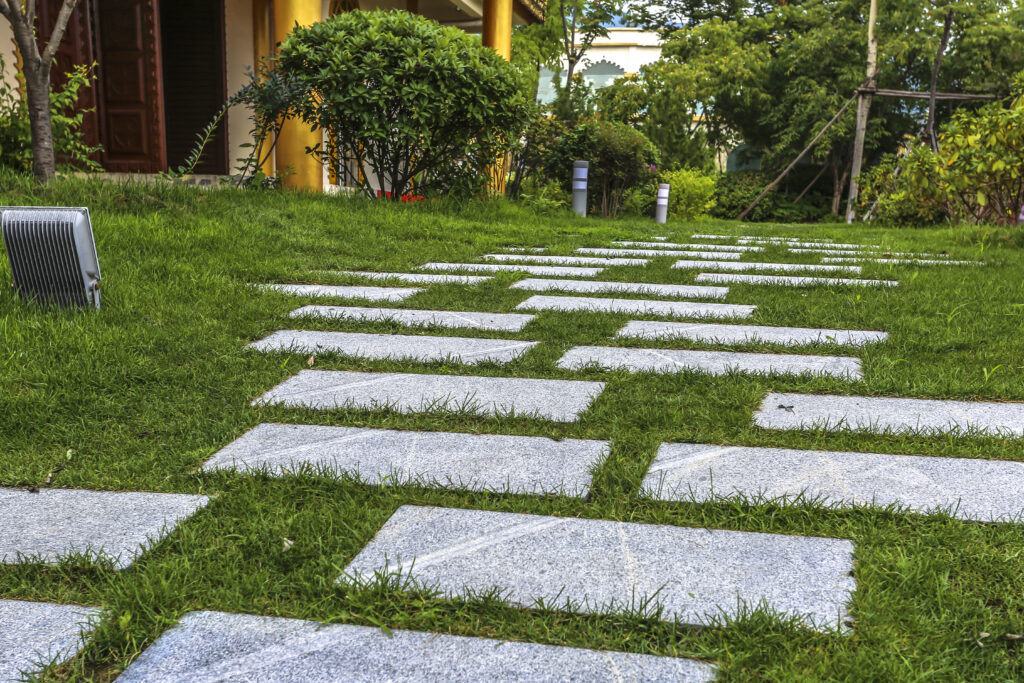
Hardscaping vs. Softscaping Creating the Perfect Balance A successful landscape is not only about plants or paving. The best outdoor spaces combine hardscaping and softscaping to create an environment that is attractive, functional, comfortable, and easy to maintain. Understanding the difference between these two elements is an important part of professional landscape design. What Is Hardscaping? Hardscaping refers to the built and non-living elements of a landscape. These features provide structure and help define how an outdoor space is used. Common hardscape elements include: Walkways and pathways Driveways Paving and natural stone Retaining walls Steps and ramps Pergolas and shade structures Outdoor seating areas Water features Decorative gravel Hardscaping provides the foundation of a landscape. It creates movement through the garden, separates different areas, and provides practical spaces for people to use. In the UAE, material selection is particularly important because outdoor surfaces need to perform under high temperatures and strong sunlight. What Is Softscaping? Softscaping refers to the living elements of a landscape. These include the plants and greenery that bring color, texture, shade, and natural character to an outdoor space. Common softscape elements include: Trees and palms Shrubs Flowering plants Hedges Ground covers Lawns Seasonal planting The right plants should be selected according to the site’s conditions and the local climate. Climate-adapted planting can help create healthier landscapes while reducing unnecessary water and maintenance requirements. Why Both Are Important Hardscaping and softscaping serve different purposes, but they work best when they are designed together. Hardscaping provides the structure. Softscaping adds life. For example, a pathway can guide people through a garden while trees and planting beds soften its edges. A seating area can provide a place to relax while surrounding greenery creates shade, privacy, and a more comfortable atmosphere. A landscape with too much hardscape can feel empty or harsh. On the other hand, excessive planting can make a space difficult to use and maintain. Creating the Right Balance The ideal balance depends on the property, its purpose, and how the outdoor space will be used. A private villa may require larger planting areas, shaded seating, and garden paths. A commercial property may need more durable paving, defined entrances, and lower-maintenance planting. Professional landscape design considers these requirements before deciding how much space should be dedicated to hardscape and softscape. Designing for the UAE Climate The UAE’s climate makes landscape planning particularly important. Shade, irrigation efficiency, plant selection, and suitable hardscape materials all need to be considered during the design stage. Combining durable hardscape materials with climate-appropriate plants can create outdoor spaces that remain attractive while being practical to maintain. Final Thoughts Hardscaping and softscaping should not be treated as separate parts of a landscape. They are two essential elements of the same design. When structure, greenery, circulation, shade, and functionality are carefully planned together, an outdoor area can become a comfortable and attractive space that performs well for years. The goal is not to choose between hardscape and softscape. The goal is to find the right balance between them.