Landscape Construction

Landscaping

Hardscaping vs Softscaping

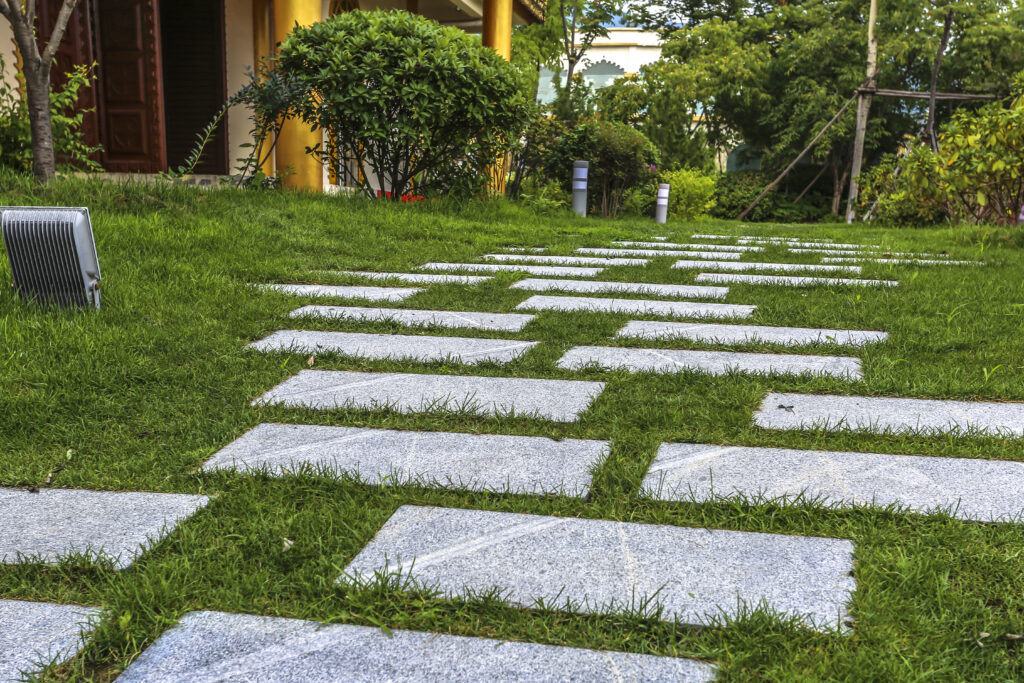
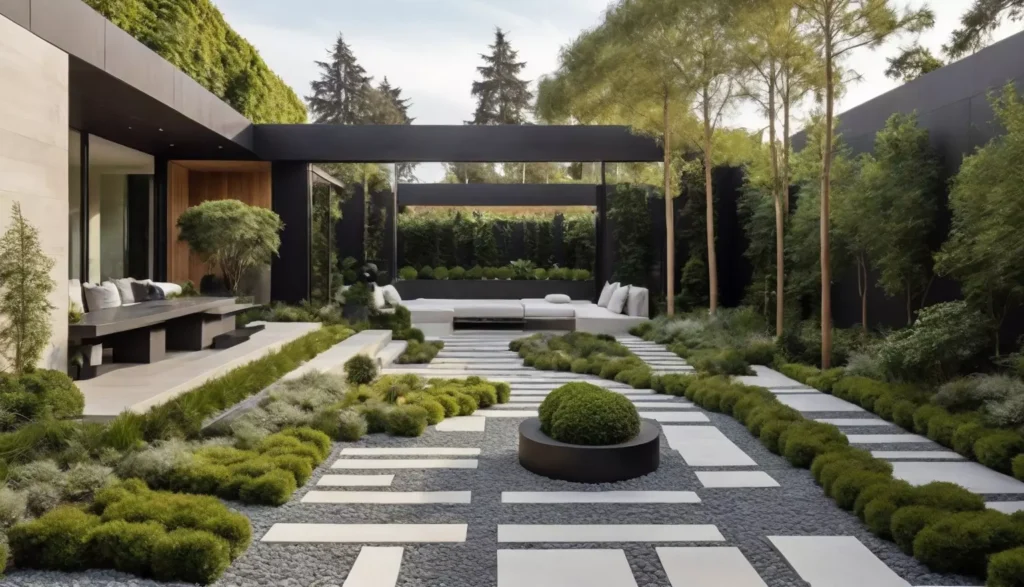
Hardscaping vs. Softscaping  Creating the Perfect Balance A successful landscape is not only about plants or paving. The best outdoor spaces combine hardscaping and softscaping to create an environment that is attractive, functional, comfortable, and easy to maintain. Understanding the difference between these two elements is an important part of professional landscape design. What Is Hardscaping? Hardscaping refers to the built and non-living elements of a landscape. These features provide structure and help define how an outdoor space is used. Common hardscape elements include: Walkways and pathways Driveways Paving and natural stone Retaining walls Steps and ramps Pergolas and shade structures Outdoor seating areas Water features Decorative gravel Hardscaping provides the foundation of a landscape. It creates movement through the garden, separates different areas, and provides practical spaces for people to use. In the UAE, material selection is particularly important because outdoor surfaces need to perform under high temperatures and strong sunlight. What Is Softscaping? Softscaping refers to the living elements of a landscape. These include the plants and greenery that bring color, texture, shade, and natural character to an outdoor space. Common softscape elements include: Trees and palms Shrubs Flowering plants Hedges Ground covers Lawns Seasonal planting The right plants should be selected according to the site’s conditions and the local climate. Climate-adapted planting can help create healthier landscapes while reducing unnecessary water and maintenance requirements. Why Both Are Important Hardscaping and softscaping serve different purposes, but they work best when they are designed together. Hardscaping provides the structure. Softscaping adds life. For example, a pathway can guide people through a garden while trees and planting beds soften its edges. A seating area can provide a place to relax while surrounding greenery creates shade, privacy, and a more comfortable atmosphere. A landscape with too much hardscape can feel empty or harsh. On the other hand, excessive planting can make a space difficult to use and maintain. Creating the Right Balance The ideal balance depends on the property, its purpose, and how the outdoor space will be used. A private villa may require larger planting areas, shaded seating, and garden paths. A commercial property may need more durable paving, defined entrances, and lower-maintenance planting. Professional landscape design considers these requirements before deciding how much space should be dedicated to hardscape and softscape. Designing for the UAE Climate The UAE’s climate makes landscape planning particularly important. Shade, irrigation efficiency, plant selection, and suitable hardscape materials all need to be considered during the design stage. Combining durable hardscape materials with climate-appropriate plants can create outdoor spaces that remain attractive while being practical to maintain. Final Thoughts Hardscaping and softscaping should not be treated as separate parts of a landscape. They are two essential elements of the same design. When structure, greenery, circulation, shade, and functionality are carefully planned together, an outdoor area can become a comfortable and attractive space that performs well for years. The goal is not to choose between hardscape and softscape. The goal is to find the right balance between them.
Landscaping

The Complete Landscaping Process From Vision to Reality

The Complete Landscaping Process From Vision to Reality Creating a beautiful outdoor space requires more than choosing plants and installing paving. A successful landscaping project starts with careful planning and continues through design, construction, planting, irrigation, and maintenance. For homeowners and property developers The Complete Landscaping Process looking for professional landscaping in Dubai, understanding each stage of the process can help ensure better results and avoid costly mistakes. 1. Consultation and Understanding the Requirements Every landscaping project begins with understanding the property and the client’s requirements. The landscape team considers how the space will be used, the preferred design style, budget, maintenance expectations, and any specific features the client wants to include. For a villa, this could include a garden, swimming pool area, outdoor seating, or children’s play area. Commercial projects may require attractive entrances, walkways, shaded areas, and low-maintenance planting. 2. Site Assessment Before the design begins, the site should be carefully assessed. Important factors include: Available space and dimensions Sunlight and shade Soil conditions Drainage Existing plants and structures Access to water and utilities Existing irrigation systems In Dubai, understanding the local environmental conditions is particularly important when selecting plants, materials, and irrigation solutions. 3. Landscape Design and Planning The information collected during the site assessment is then used to develop the landscape design. The design can include planting areas, trees, lawns, pathways, paving, outdoor seating, pergolas, lighting, water features, and irrigation. A good landscape design should balance appearance with functionality. It should also consider how the landscape will look as plants mature and how much maintenance it will require. 4. Plant and Material Selection The next stage involves selecting suitable plants and materials. Plants should be chosen according to their climate requirements, growth patterns, appearance, and maintenance needs. Materials such as paving, stone, timber, or other hardscape finishes should be selected for durability and suitability for outdoor conditions. Choosing the right materials and plants at this stage can have a major impact on the long-term performance of the landscape. 5. Landscaping Construction and Installation Once the design is approved, the physical work begins. Depending on the project, construction may include ground preparation, grading, drainage, paving, pathways, retaining structures, irrigation installation, soil preparation, planting, lawn installation, lighting, and other landscape features. Proper sequencing is important. Irrigation and underground services, for example, should be planned before finished surfaces are installed to avoid unnecessary rework. 6. Testing and Final Inspection Before the project is handed over, the completed landscape should be inspected carefully. Irrigation systems should be tested and adjusted, planting should be checked, drainage should be reviewed, and hardscape areas should be inspected for quality and finish. A detailed final inspection helps ensure that the completed landscape matches the approved design and performs as intended. 7. Landscape Maintenance The project does not end when construction is complete. Regular landscape maintenance is essential for protecting the investment and keeping the garden healthy. Pruning, fertilization, irrigation inspections, pest control, lawn care, and seasonal maintenance all contribute to the long-term success of the landscape. From an Idea to a Finished Landscape A successful landscaping project is the result of several connected stages. Consultation, site assessment, design, material selection, construction, installation, inspection, and maintenance all contribute to the final result. When each stage is carefully planned and professionally managed, an ordinary outdoor area can become a functional and attractive landscape that adds long-term value to the property. Final Thoughts Professional landscaping is a process, not a single installation. From the first site visit to ongoing maintenance, every decision affects the final result. Careful planning at the beginning can improve the quality of the finished landscape while reducing future maintenance and unnecessary costs. Whether it is a private villa, commercial property, residential community, or large development, following a structured landscaping process is the foundation for a successful outdoor space.

Need a quality gardener for your home?

© 2025 Seven Seas Group
Scroll to Top