Sustainable Landscaping for Modern Developments
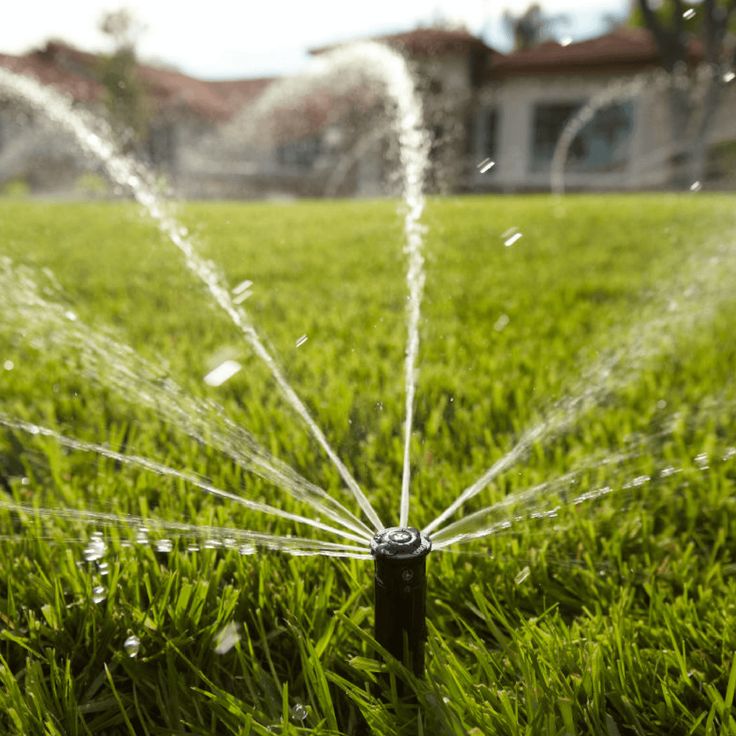
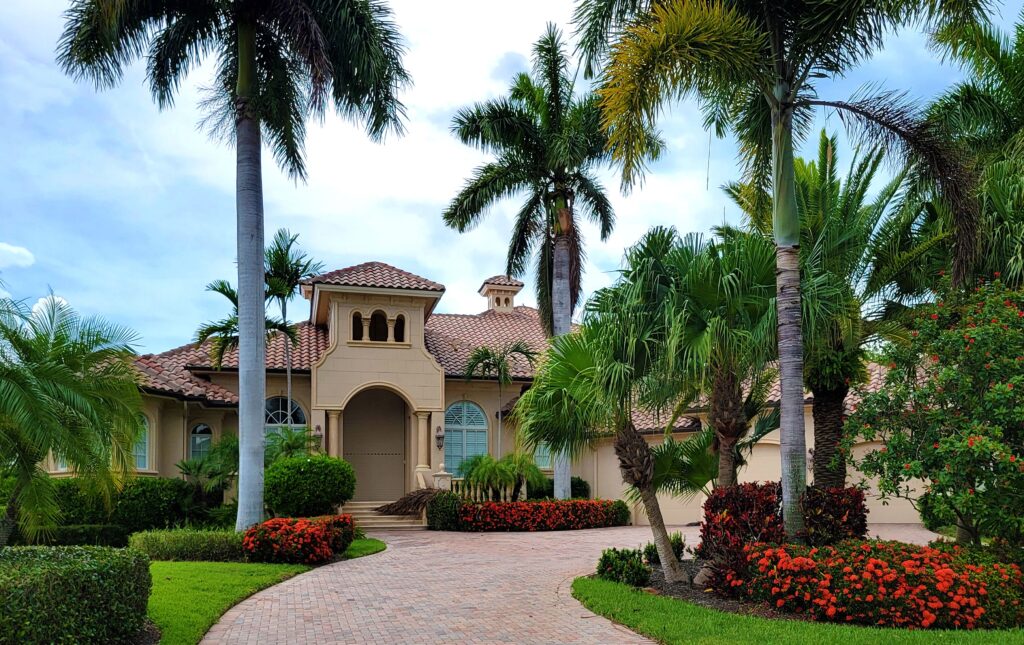
Sustainable Landscaping for Modern Developments Modern landscaping is about more than creating attractive outdoor spaces. It is also about using water, plants, materials, and energy responsibly. Sustainable landscaping can help properties reduce resource consumption while creating outdoor environments that remain attractive and functional for years. For residential communities, villas, commercial properties, hotels, and new developments across the UAE, sustainable landscape planning is becoming an increasingly important part of outdoor design. What Is Sustainable Landscaping? Sustainable landscaping focuses on creating landscapes that work efficiently with the local environment. This can involve selecting suitable plants, reducing unnecessary water consumption, improving soil conditions, using durable materials, and planning landscapes that require less long-term maintenance. The goal is not simply to use fewer resources. It is to create a landscape that performs efficiently throughout its lifecycle. Choosing the Right Plants Plant selection has a major impact on the sustainability of a landscape. Plants should be selected according to the local climate, sunlight, soil conditions, and water availability. Heat-tolerant and drought-resistant plants can be particularly useful for UAE landscapes because they can perform well under challenging environmental conditions. Grouping plants according to their water requirements can also make irrigation more efficient. Reducing Water Consumption Water management is one of the most important aspects of sustainable landscaping in the UAE. Efficient irrigation systems can deliver water directly where it is needed. Drip irrigation, irrigation zoning, automatic controllers, and appropriate watering schedules can help reduce unnecessary water use. Regular irrigation maintenance is equally important. Small leaks or damaged irrigation components can result in significant water loss over time. Improving Soil Health Healthy soil supports healthier plants. Adding suitable organic matter, improving soil structure, and using appropriate mulch can help retain moisture and support plant growth. Mulching can also reduce evaporation, suppress weeds, and protect the soil from extreme temperatures. Using Durable Landscape Materials Sustainability also applies to hardscape materials. Selecting durable paving, stone, and outdoor materials can reduce the need for frequent replacement. Long-lasting materials can help lower maintenance requirements and reduce waste over the life of the landscape. Material selection should also consider the property’s design, expected usage, local climate, and maintenance requirements. Designing for Shade and Comfort Trees and other landscape elements can help improve outdoor comfort by providing shade. Well-positioned trees, pergolas, shaded seating areas, and appropriate planting can make outdoor spaces more comfortable and encourage people to use them. Shade should be considered during the initial landscape design rather than added as an afterthought. Lower Maintenance Requirements A sustainable landscape should be designed with long-term maintenance in mind. Choosing appropriate plants, providing adequate spacing, using efficient irrigation, and selecting durable materials can reduce the amount of maintenance required. This can help property owners control long-term operating costs while maintaining a high-quality outdoor environment. Sustainable Landscaping for Developments Large developments require careful landscape planning because even small improvements in water use and maintenance efficiency can have a significant impact when applied across large areas. Residential communities, hotels, commercial properties, and public spaces can benefit from landscape designs that combine efficient irrigation, appropriate planting, durable materials, and practical maintenance strategies. Final Thoughts Sustainable landscaping is about making better decisions from the beginning of a project. The right plants, efficient irrigation, healthy soil, durable materials, and thoughtful design can work together to create landscapes that are attractive, practical, and more resource-efficient. For modern developments in the UAE, sustainability should be considered an essential part of landscape design rather than an optional feature. A sustainable landscape is designed not only for how it looks today, but for how efficiently it will perform in the future.