Garden Design

Landscaping

Landscape Lighting UAE | Outdoor Garden Lighting Ideas

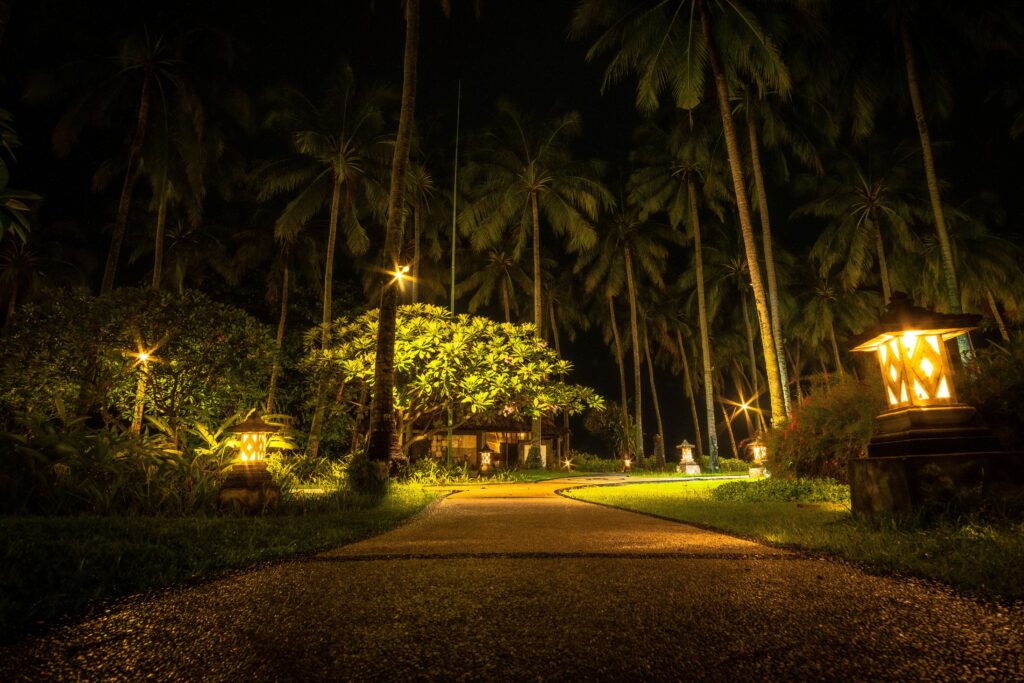
Outdoor Lighting  Enhancing Your Landscape After Dark A well-designed landscape should not only look beautiful during the day. With the right outdoor landscape lighting, gardens, pathways, entrances, and outdoor seating areas can remain attractive and functional after sunset. Landscape lighting can improve the appearance of a property while also providing practical benefits such as better visibility, safer pathways, and greater usability of outdoor spaces. Why Landscape Lighting Matters Outdoor lighting can completely change the atmosphere of a garden at night. Carefully positioned lights can highlight trees, architectural features, pathways, water features, and planting areas. Lighting can also help define different zones within a landscape, making large outdoor areas easier to navigate and use. Highlighting Trees and Plants Trees and feature plants can become strong visual elements at night when they are properly illuminated. Uplighting can emphasize the shape and height of trees, while softer lighting can highlight shrubs, planting beds, and other landscape features. The goal is not to illuminate every plant. Selective lighting can create contrast and depth without making the garden look overly bright. Lighting Pathways and Entrances Pathway lighting provides both practical and aesthetic benefits. Lights along walkways, steps, entrances, and driveways can improve visibility while creating clear movement through the property. For villas, hotels, residential communities, and commercial properties, well-planned pathway lighting can also contribute to a more welcoming entrance. Creating Outdoor Living Areas Outdoor seating areas can become much more useful when they are properly illuminated. Lighting around patios, pergolas, terraces, and garden seating can create comfortable spaces for evening gatherings and relaxation. The lighting should be planned according to the purpose of the area. Bright task lighting may be suitable for some locations, while softer ambient lighting can work better for relaxation areas. Highlighting Water Features Water features can become attractive focal points at night when combined with suitable lighting. Pools, fountains, ponds, and decorative water features can be illuminated to create reflections and movement that add visual interest to the landscape. Lighting should be carefully positioned to enhance the feature without creating excessive glare. Energy-Efficient Landscape Lighting Modern landscape lighting can be designed with energy efficiency in mind. LED lighting is widely used for outdoor applications because it can provide efficient illumination while offering a long service life. Timers, sensors, and automated controls can also help ensure that lighting operates only when required. Planning Lighting During Landscape Design Outdoor lighting should ideally be considered during the landscape design stage rather than added after the project is complete. Planning lighting together with planting, pathways, irrigation, hardscaping, and outdoor structures allows cables, fixtures, and electrical requirements to be properly coordinated. This can create a cleaner installation and reduce the need for future modifications. Final Thoughts Outdoor lighting is more than a decorative feature. When properly designed, it can improve safety, highlight landscape features, extend the use of outdoor spaces, and create a welcoming atmosphere after dark. A successful lighting design uses light selectively to create balance, depth, and visual interest. The right landscape lighting does not simply make a garden brighter. It makes the landscape more usable and enjoyable after sunset.
Landscaping

Common Landscaping Mistakes Property Owners Should Avoid

Common Landscaping Mistakes Property Owners Should Avoid A successful landscape requires more than attractive plants and quality materials. Small mistakes during planning, installation, or maintenance can lead to higher costs, unhealthy plants, inefficient irrigation, and outdoor spaces that do not function as intended. Understanding common landscaping mistakes can help property owners make better decisions and achieve better long-term results. Choosing Plants Only for Appearance One of the most common mistakes is choosing plants because they look attractive without considering their growing requirements. A plant may look excellent in a garden center but struggle when exposed to intense heat, direct sunlight, poor soil, or insufficient water. Plant selection should consider the local climate, sunlight, soil, irrigation requirements, mature size, and maintenance needs. Poor Irrigation Planning An inefficient irrigation system can cause both plant health problems and unnecessary water consumption. Common irrigation issues include: Uneven watering Leaking pipes Blocked emitters Incorrect sprinkler positioning Overwatering Underwatering Poor irrigation zoning A properly designed irrigation system should be planned together with the landscape rather than added after planting is completed. Planting Too Close Together A newly installed landscape can look better when plants are placed close together. However, plants continue to grow after installation. If plants are overcrowded, they may compete for sunlight, water, nutrients, and space. This can increase pruning requirements and create poor air circulation. Considering the mature size of each plant helps create a healthier and easier-to-maintain landscape. Ignoring Drainage Drainage is an important part of landscape construction. Water that cannot drain properly can damage plants, affect soil conditions, and create problems around hardscape areas. Before installing planting beds, lawns, or paving, the site should be assessed to determine how rainwater and irrigation water will move through the property. Good drainage planning can prevent many problems before they occur. Using Too Much Hardscape Paving, stone, and other hardscape features can provide structure and functionality, but using too much hardscape can make an outdoor space feel uncomfortable and disconnected from nature. A balanced landscape combines hardscape with trees, shrubs, lawns, and other planting areas. The right balance depends on how the property will be used and how much maintenance the owner is prepared to undertake. Forgetting About Maintenance A landscape should be designed with maintenance in mind from the beginning. Before selecting plants and features, property owners should consider how much time and budget will be available for ongoing care. A beautiful design that requires extensive maintenance may not be the best solution for every property. Designing Without Considering the Future Landscape design should not only focus on how the property looks immediately after installation. Trees grow, shrubs spread, and outdoor spaces change over time. A good design considers future plant growth, maintenance access, irrigation requirements, and potential changes to how the property will be used. Planning for the future can reduce unnecessary removal and replacement. Final Thoughts Many landscaping problems can be prevented through proper planning. Choosing suitable plants, designing efficient irrigation, allowing enough planting space, providing proper drainage, balancing hardscape and softscape, and considering future maintenance can significantly improve the performance of a landscape. Professional landscape design is not simply about making a property look good. It is about making decisions that continue to work long after installation. The best way to fix landscaping problems is to prevent them during the planning stage.

Landscaping

Sustainable Landscaping for Modern Developments

Sustainable Landscaping for Modern Developments Modern landscaping is about more than creating attractive outdoor spaces. It is also about using water, plants, materials, and energy responsibly. Sustainable landscaping can help properties reduce resource consumption while creating outdoor environments that remain attractive and functional for years. For residential communities, villas, commercial properties, hotels, and new developments across the UAE, sustainable landscape planning is becoming an increasingly important part of outdoor design. What Is Sustainable Landscaping? Sustainable landscaping focuses on creating landscapes that work efficiently with the local environment. This can involve selecting suitable plants, reducing unnecessary water consumption, improving soil conditions, using durable materials, and planning landscapes that require less long-term maintenance. The goal is not simply to use fewer resources. It is to create a landscape that performs efficiently throughout its lifecycle. Choosing the Right Plants Plant selection has a major impact on the sustainability of a landscape. Plants should be selected according to the local climate, sunlight, soil conditions, and water availability. Heat-tolerant and drought-resistant plants can be particularly useful for UAE landscapes because they can perform well under challenging environmental conditions. Grouping plants according to their water requirements can also make irrigation more efficient. Reducing Water Consumption Water management is one of the most important aspects of sustainable landscaping in the UAE. Efficient irrigation systems can deliver water directly where it is needed. Drip irrigation, irrigation zoning, automatic controllers, and appropriate watering schedules can help reduce unnecessary water use. Regular irrigation maintenance is equally important. Small leaks or damaged irrigation components can result in significant water loss over time. Improving Soil Health Healthy soil supports healthier plants. Adding suitable organic matter, improving soil structure, and using appropriate mulch can help retain moisture and support plant growth. Mulching can also reduce evaporation, suppress weeds, and protect the soil from extreme temperatures. Using Durable Landscape Materials Sustainability also applies to hardscape materials. Selecting durable paving, stone, and outdoor materials can reduce the need for frequent replacement. Long-lasting materials can help lower maintenance requirements and reduce waste over the life of the landscape. Material selection should also consider the property’s design, expected usage, local climate, and maintenance requirements. Designing for Shade and Comfort Trees and other landscape elements can help improve outdoor comfort by providing shade. Well-positioned trees, pergolas, shaded seating areas, and appropriate planting can make outdoor spaces more comfortable and encourage people to use them. Shade should be considered during the initial landscape design rather than added as an afterthought. Lower Maintenance Requirements A sustainable landscape should be designed with long-term maintenance in mind. Choosing appropriate plants, providing adequate spacing, using efficient irrigation, and selecting durable materials can reduce the amount of maintenance required. This can help property owners control long-term operating costs while maintaining a high-quality outdoor environment. Sustainable Landscaping for Developments Large developments require careful landscape planning because even small improvements in water use and maintenance efficiency can have a significant impact when applied across large areas. Residential communities, hotels, commercial properties, and public spaces can benefit from landscape designs that combine efficient irrigation, appropriate planting, durable materials, and practical maintenance strategies. Final Thoughts Sustainable landscaping is about making better decisions from the beginning of a project. The right plants, efficient irrigation, healthy soil, durable materials, and thoughtful design can work together to create landscapes that are attractive, practical, and more resource-efficient. For modern developments in the UAE, sustainability should be considered an essential part of landscape design rather than an optional feature. A sustainable landscape is designed not only for how it looks today, but for how efficiently it will perform in the future.

Landscaping

Landscape Maintenance Sharjah | Professional Garden Care

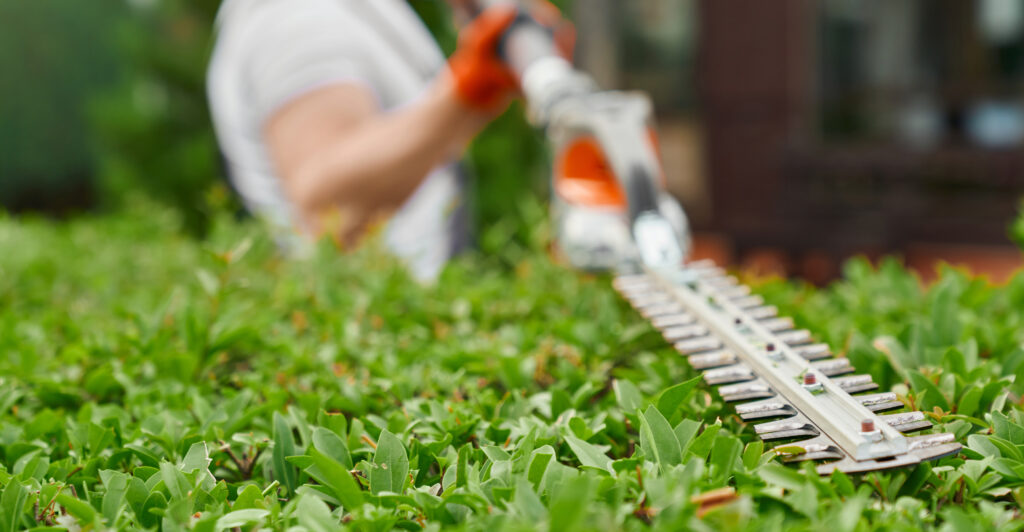
Landscape Maintenance Protecting Your Investment A professionally designed landscape can transform a property, but keeping it attractive requires regular care. Landscape maintenance is essential for protecting plants, irrigation systems, lawns, and outdoor features while keeping the property looking its best. For villas, residential communities, commercial properties, and gardens in Sharjah and across the UAE, a planned maintenance program can prevent small problems from becoming expensive repairs. Why Regular Landscape Maintenance Matters Plants are living elements that change continuously. Trees grow, shrubs become overgrown, lawns require regular care, and irrigation systems can develop leaks or blockages. Without regular maintenance, a landscape can quickly lose the appearance and functionality it had when it was first installed. Routine maintenance helps keep the landscape healthy, clean, safe, and visually appealing. Essential Landscape Maintenance Services A professional maintenance program can include several important services: Tree and shrub pruning Lawn mowing and edging Fertilization Weed control Pest management Irrigation inspection and repair Soil improvement Seasonal planting Removal of dead or damaged plants Cleaning of pathways and outdoor areas Each task contributes to the overall health and appearance of the landscape. Irrigation Maintenance Irrigation is one of the most important parts of landscape maintenance in the UAE. A damaged sprinkler, leaking pipe, blocked emitter, or incorrectly adjusted irrigation controller can waste water and affect plant health. Regular irrigation maintenance in Sharjah can help identify these problems early and ensure that plants receive the appropriate amount of water. Pruning and Plant Care Regular pruning helps control plant growth and maintain the intended shape of the landscape. Removing dead, damaged, or overgrown branches can also improve plant health and reduce potential safety risks. However, pruning should be carried out according to the type of plant and its growth requirements. Incorrect pruning can damage plants rather than improve them. Lawn and Groundcover Maintenance Healthy lawns require consistent care. Mowing, edging, fertilization, irrigation, aeration, and weed management all contribute to maintaining a strong and attractive lawn. In the UAE climate, lawn maintenance also requires careful irrigation management because excessive watering can increase water consumption and contribute to plant health problems. Preventive Maintenance Saves Money Regular maintenance is not only about appearance. It can also reduce long-term costs. For example, identifying an irrigation leak early can prevent unnecessary water consumption. Detecting plant diseases early can reduce the need for large-scale plant replacement. Regular pruning can also prevent overgrown branches from causing damage to nearby structures. Preventive care is usually more efficient than waiting until a major problem develops. Maintaining Commercial and Residential Landscapes Different properties have different maintenance requirements. A private villa may require regular garden care, lawn maintenance, pruning, and irrigation checks. A commercial property may require a more structured maintenance program because its landscape is visible to employees, customers, visitors, and residents every day. A maintenance schedule should therefore be designed according to the size, plant selection, irrigation system, and usage of each property. Final Thoughts A landscape is a long-term investment. Professional installation creates the foundation, but regular maintenance protects that investment. With proper pruning, irrigation management, fertilization, lawn care, pest control, and seasonal maintenance, landscapes can remain healthy and attractive for many years. Good landscape maintenance is not simply about keeping a garden clean. It is about protecting the health, appearance, and value of the entire outdoor space.

Landscaping

Smart Irrigation Systems

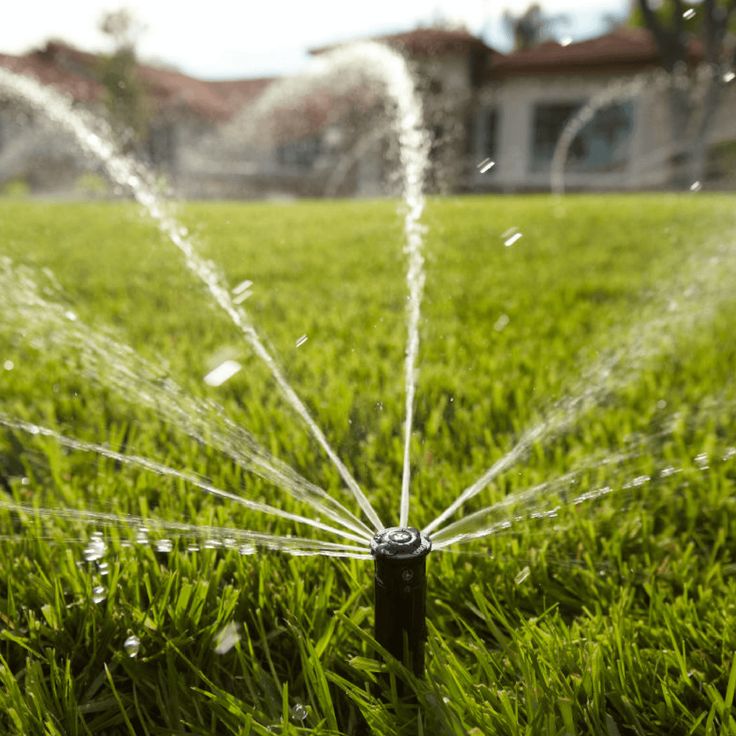
Smart Irrigation Saving Water Without Sacrificing Beauty A beautiful landscape depends on healthy plants, but keeping those plants properly watered can be challenging in a hot and dry climate. In the UAE, efficient irrigation is an essential part of modern landscape design. Smart irrigation systems help deliver the right amount of water to the right areas while reducing unnecessary consumption. When properly designed and maintained, they can support healthy landscapes while improving water efficiency. What Is Smart Irrigation? Smart irrigation combines automated controls, efficient irrigation equipment, and proper landscape planning to manage watering more effectively. Instead of treating the entire landscape the same way, irrigation can be divided into different zones based on the needs of lawns, trees, shrubs, and planting beds. This allows each area to receive an appropriate amount of water. Why Irrigation Design Matters Poorly designed irrigation can create several problems. Some areas may receive too much water while others remain dry. Leaking pipes, blocked emitters, incorrectly positioned sprinklers, and damaged components can also increase water consumption. A properly planned irrigation network helps distribute water more evenly and reduces unnecessary waste. Drip Irrigation for Planting Areas Drip irrigation is commonly used for trees, shrubs, hedges, and planting beds. It delivers water directly to the soil around the plant’s root zone. This can reduce evaporation and help provide consistent moisture where it is needed. For larger landscapes, different irrigation zones can be created according to plant type, soil conditions, and exposure to sunlight. Automated Irrigation Controllers Automatic controllers allow irrigation schedules to be programmed according to the landscape’s requirements. Watering schedules can be adjusted for different seasons, reducing unnecessary irrigation during cooler periods and providing appropriate watering during periods of high heat. Modern systems can also incorporate sensors and other monitoring technologies to improve irrigation efficiency. Regular Irrigation Maintenance Installing an efficient irrigation system is only part of the solution. Regular inspections are essential to ensure the system continues operating correctly. Maintenance should include checking for: Leaking pipes Blocked drip emitters Damaged sprinkler heads Incorrect sprinkler alignment Faulty valves Uneven water distribution Controller settings Small irrigation problems can quickly become expensive if they remain unnoticed. Combining Irrigation With Plant Selection Efficient irrigation works best when combined with appropriate plant selection. Plants with similar water requirements can be grouped into the same irrigation zones, making the system easier to manage. Choosing climate-appropriate plants and matching them with suitable irrigation methods can improve landscape health while reducing water consumption. Final Thoughts Smart irrigation is not about using less water at the expense of a beautiful landscape. It is about using water more intelligently. With proper irrigation design, efficient equipment, suitable plant selection, automation, and regular maintenance, landscapes can remain healthy and attractive while using water responsibly. For modern landscapes, efficient irrigation should be considered an essential part of the design rather than an afterthought.

Landscaping

Best Plants for UAE Gardens

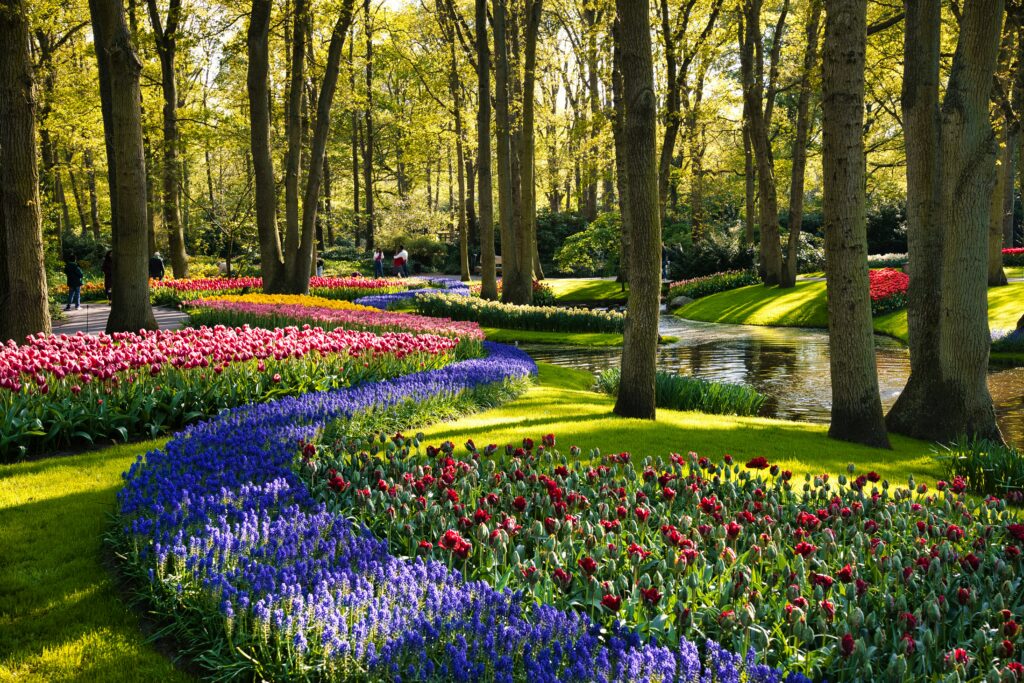
Best Plants for UAE Gardens Choosing Plants That Thrive in the UAE Climate Choosing the right plants is one of the most important decisions in landscape design. A plant may look beautiful in a nursery, but that does not necessarily mean it will perform well once planted outdoors in the UAE. With high temperatures, strong sunlight, limited rainfall, and varying soil conditions, successful planting starts with understanding the local environment. Why Plant Selection Matters The right plants can create a landscape that is healthier, more attractive, and easier to maintain. Poor plant selection can result in weak growth, excessive water requirements, frequent replacement, and higher maintenance costs. Selecting plants according to the site’s conditions helps avoid these problems from the beginning. Consider the UAE Climate Before choosing plants, several factors should be considered: Temperature and sunlight Water requirements Soil conditions Wind exposure Available planting space Expected plant size Maintenance requirements Plants should be selected based on where they will be planted, not simply on their appearance. Trees and Palms Trees and palms can play an important role in UAE landscape design. They can provide shade, create focal points, improve privacy, and give outdoor spaces a stronger sense of structure. However, their mature size and root growth should always be considered before planting. Proper spacing helps prevent future conflicts with buildings, pathways, irrigation systems, and other plants. Shrubs and Flowering Plants Shrubs and flowering plants can add color, texture, and depth to a garden. Using a combination of evergreen plants and seasonal flowering species can help maintain visual interest throughout the year. Planting should be arranged according to height and growth pattern so that smaller plants are not hidden by larger species. Choosing Plants for Water Efficiency Water efficiency is particularly important in the UAE. Selecting plants with suitable water requirements can reduce irrigation demand while maintaining a healthy landscape. Efficient irrigation should work together with appropriate plant selection. Even drought-tolerant plants require proper watering during establishment and periods of extreme heat. Planning for Long-Term Growth One of the most common planting mistakes is designing only for the landscape’s appearance on the day of installation. Plants grow. A small tree or shrub can become significantly larger over time. Planning for mature size ensures that plants have enough space to develop without overcrowding the garden. This also reduces future pruning, removal, and replacement requirements. Creating a Balanced Planting Design A successful planting scheme combines different heights, textures, colors, and forms. Trees can provide structure and shade, shrubs can define spaces, flowering plants can introduce seasonal color, and ground covers can fill smaller areas. The result is a landscape that feels natural, balanced, and connected to its surroundings. Final Thoughts Choosing plants for the UAE climate requires more than selecting attractive species. It requires an understanding of climate, soil, irrigation, available space, maintenance, and long-term growth. The right plant in the right location can create a healthier and more sustainable landscape while reducing unnecessary maintenance and water consumption. Good landscape design begins with choosing plants that are suited to the environment, not simply plants that look good.

Landscaping

Hardscaping vs Softscaping

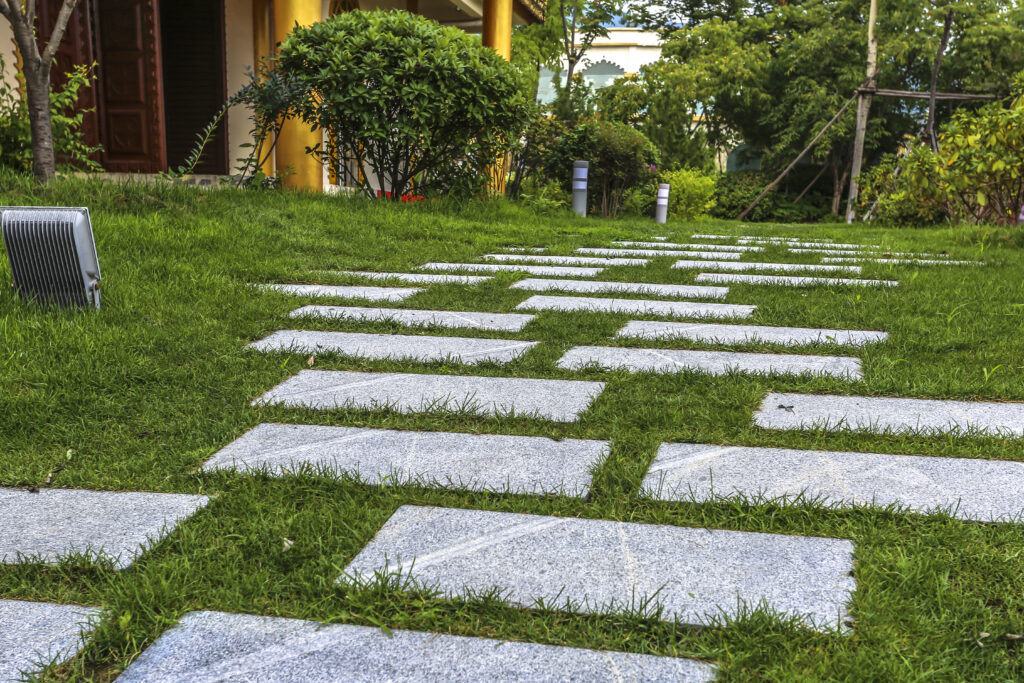
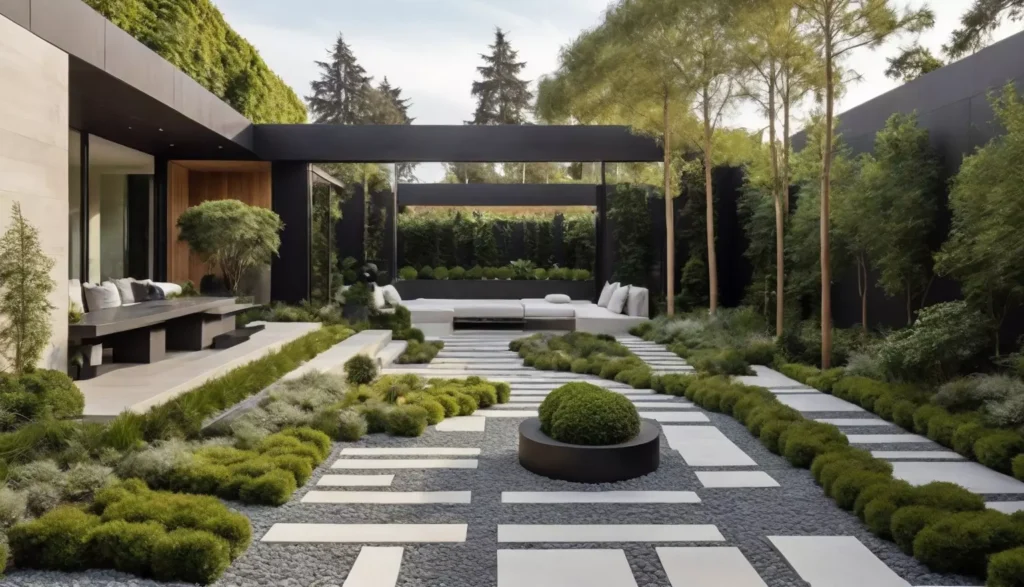
Hardscaping vs. Softscaping  Creating the Perfect Balance A successful landscape is not only about plants or paving. The best outdoor spaces combine hardscaping and softscaping to create an environment that is attractive, functional, comfortable, and easy to maintain. Understanding the difference between these two elements is an important part of professional landscape design. What Is Hardscaping? Hardscaping refers to the built and non-living elements of a landscape. These features provide structure and help define how an outdoor space is used. Common hardscape elements include: Walkways and pathways Driveways Paving and natural stone Retaining walls Steps and ramps Pergolas and shade structures Outdoor seating areas Water features Decorative gravel Hardscaping provides the foundation of a landscape. It creates movement through the garden, separates different areas, and provides practical spaces for people to use. In the UAE, material selection is particularly important because outdoor surfaces need to perform under high temperatures and strong sunlight. What Is Softscaping? Softscaping refers to the living elements of a landscape. These include the plants and greenery that bring color, texture, shade, and natural character to an outdoor space. Common softscape elements include: Trees and palms Shrubs Flowering plants Hedges Ground covers Lawns Seasonal planting The right plants should be selected according to the site’s conditions and the local climate. Climate-adapted planting can help create healthier landscapes while reducing unnecessary water and maintenance requirements. Why Both Are Important Hardscaping and softscaping serve different purposes, but they work best when they are designed together. Hardscaping provides the structure. Softscaping adds life. For example, a pathway can guide people through a garden while trees and planting beds soften its edges. A seating area can provide a place to relax while surrounding greenery creates shade, privacy, and a more comfortable atmosphere. A landscape with too much hardscape can feel empty or harsh. On the other hand, excessive planting can make a space difficult to use and maintain. Creating the Right Balance The ideal balance depends on the property, its purpose, and how the outdoor space will be used. A private villa may require larger planting areas, shaded seating, and garden paths. A commercial property may need more durable paving, defined entrances, and lower-maintenance planting. Professional landscape design considers these requirements before deciding how much space should be dedicated to hardscape and softscape. Designing for the UAE Climate The UAE’s climate makes landscape planning particularly important. Shade, irrigation efficiency, plant selection, and suitable hardscape materials all need to be considered during the design stage. Combining durable hardscape materials with climate-appropriate plants can create outdoor spaces that remain attractive while being practical to maintain. Final Thoughts Hardscaping and softscaping should not be treated as separate parts of a landscape. They are two essential elements of the same design. When structure, greenery, circulation, shade, and functionality are carefully planned together, an outdoor area can become a comfortable and attractive space that performs well for years. The goal is not to choose between hardscape and softscape. The goal is to find the right balance between them.

Landscaping

The Complete Landscaping Process From Vision to Reality

The Complete Landscaping Process From Vision to Reality Creating a beautiful outdoor space requires more than choosing plants and installing paving. A successful landscaping project starts with careful planning and continues through design, construction, planting, irrigation, and maintenance. For homeowners and property developers The Complete Landscaping Process looking for professional landscaping in Dubai, understanding each stage of the process can help ensure better results and avoid costly mistakes. 1. Consultation and Understanding the Requirements Every landscaping project begins with understanding the property and the client’s requirements. The landscape team considers how the space will be used, the preferred design style, budget, maintenance expectations, and any specific features the client wants to include. For a villa, this could include a garden, swimming pool area, outdoor seating, or children’s play area. Commercial projects may require attractive entrances, walkways, shaded areas, and low-maintenance planting. 2. Site Assessment Before the design begins, the site should be carefully assessed. Important factors include: Available space and dimensions Sunlight and shade Soil conditions Drainage Existing plants and structures Access to water and utilities Existing irrigation systems In Dubai, understanding the local environmental conditions is particularly important when selecting plants, materials, and irrigation solutions. 3. Landscape Design and Planning The information collected during the site assessment is then used to develop the landscape design. The design can include planting areas, trees, lawns, pathways, paving, outdoor seating, pergolas, lighting, water features, and irrigation. A good landscape design should balance appearance with functionality. It should also consider how the landscape will look as plants mature and how much maintenance it will require. 4. Plant and Material Selection The next stage involves selecting suitable plants and materials. Plants should be chosen according to their climate requirements, growth patterns, appearance, and maintenance needs. Materials such as paving, stone, timber, or other hardscape finishes should be selected for durability and suitability for outdoor conditions. Choosing the right materials and plants at this stage can have a major impact on the long-term performance of the landscape. 5. Landscaping Construction and Installation Once the design is approved, the physical work begins. Depending on the project, construction may include ground preparation, grading, drainage, paving, pathways, retaining structures, irrigation installation, soil preparation, planting, lawn installation, lighting, and other landscape features. Proper sequencing is important. Irrigation and underground services, for example, should be planned before finished surfaces are installed to avoid unnecessary rework. 6. Testing and Final Inspection Before the project is handed over, the completed landscape should be inspected carefully. Irrigation systems should be tested and adjusted, planting should be checked, drainage should be reviewed, and hardscape areas should be inspected for quality and finish. A detailed final inspection helps ensure that the completed landscape matches the approved design and performs as intended. 7. Landscape Maintenance The project does not end when construction is complete. Regular landscape maintenance is essential for protecting the investment and keeping the garden healthy. Pruning, fertilization, irrigation inspections, pest control, lawn care, and seasonal maintenance all contribute to the long-term success of the landscape. From an Idea to a Finished Landscape A successful landscaping project is the result of several connected stages. Consultation, site assessment, design, material selection, construction, installation, inspection, and maintenance all contribute to the final result. When each stage is carefully planned and professionally managed, an ordinary outdoor area can become a functional and attractive landscape that adds long-term value to the property. Final Thoughts Professional landscaping is a process, not a single installation. From the first site visit to ongoing maintenance, every decision affects the final result. Careful planning at the beginning can improve the quality of the finished landscape while reducing future maintenance and unnecessary costs. Whether it is a private villa, commercial property, residential community, or large development, following a structured landscaping process is the foundation for a successful outdoor space.

Landscaping

Why Professional Landscaping Is an Investment | UAE Landscaping

Why Professional Landscaping Is an Investment, Not an Expense A well-designed landscape does more than improve the appearance of a property. Professional landscaping can increase property value, improve outdoor functionality, reduce maintenance costs, and create a more comfortable environment for residents, visitors, and customers. For villas, commercial properties, hotels, residential communities, schools, and other developments across the UAE, investing in professional landscape design and maintenance can provide long-term benefits. Improving Property Appearance and Curb Appeal The landscape is often the first part of a property that people see. A well-maintained garden, healthy plants, attractive pathways, and properly designed outdoor areas create a positive first impression. Professional landscape design ensures that different elements of the property work together. Planting, hardscaping, outdoor lighting, irrigation, and seating areas can be carefully planned to create an attractive and functional outdoor environment. Increasing Property Value Quality landscaping can contribute to the overall appeal and value of a property. A professionally designed garden can make residential properties more attractive to potential buyers and tenants, while well-maintained commercial landscapes can improve the appearance of offices, hotels, retail properties, and residential developments. Trees, lawns, planting areas, walkways, outdoor seating, and other landscape features can transform unused outdoor areas into valuable spaces. Reducing Long-Term Landscaping Costs Professional landscaping is not simply about installing plants and decorative features. Proper planning can help reduce future maintenance and replacement costs. Selecting plants that are suitable for the UAE climate, designing efficient irrigation systems, preparing the soil correctly, and choosing durable landscape materials can improve the long-term performance of a landscape. A well-planned landscape requires fewer unnecessary replacements and can be easier to maintain. Efficient Irrigation and Water Management Water management is an important part of landscaping in the UAE. Efficient irrigation systems can provide plants with the appropriate amount of water while reducing unnecessary consumption. Drip irrigation, irrigation zoning, automatic controllers, and regular irrigation maintenance can help improve water efficiency and support healthier plant growth. Creating Functional Outdoor Spaces Professional landscaping can turn unused outdoor areas into practical spaces for relaxation, entertainment, walking, and social activities. Features such as garden paths, shaded seating areas, pergolas, lawns, planting beds, and outdoor lighting can make a property more comfortable and useful. Good landscape design considers how people will use the space, not just how it looks. The Importance of Landscape Maintenance Landscape installation is only the beginning. Regular landscape maintenance is essential for protecting the investment and keeping outdoor areas healthy and attractive. Services such as pruning, fertilization, lawn care, pest management, irrigation inspections, and seasonal plant care help maintain the quality of the landscape throughout the year. A Long-Term Investment in Your Property Professional landscaping should not be viewed simply as an additional property expense. When properly designed, installed, and maintained, a landscape can provide long-term value through improved appearance, functionality, sustainability, and property appeal. From residential gardens to large commercial developments, investing in professional landscaping helps create outdoor spaces that continue to benefit the property for years. Final Thoughts Great landscaping is about more than creating a beautiful garden. It is about designing an outdoor environment that works for the property, the people who use it, and the local climate. With professional landscape design, efficient irrigation, suitable plant selection, quality installation, and regular maintenance, landscaping becomes a long-term investment rather than a short-term expense.

Need a quality gardener for your home?

© 2025 Seven Seas Group
Scroll to Top